Blind flanges are critical components in modern piping systems, widely used to seal the ends of pipelines, valves, and pressure vessel openings. This article provides a comprehensive guide to understanding blind flanges, their structure, applications, advantages, and maintenance practices. It is designed to help engineers, procurement managers, and maintenance teams make informed decisions, reduce operational risks, and improve system reliability in industrial environments.
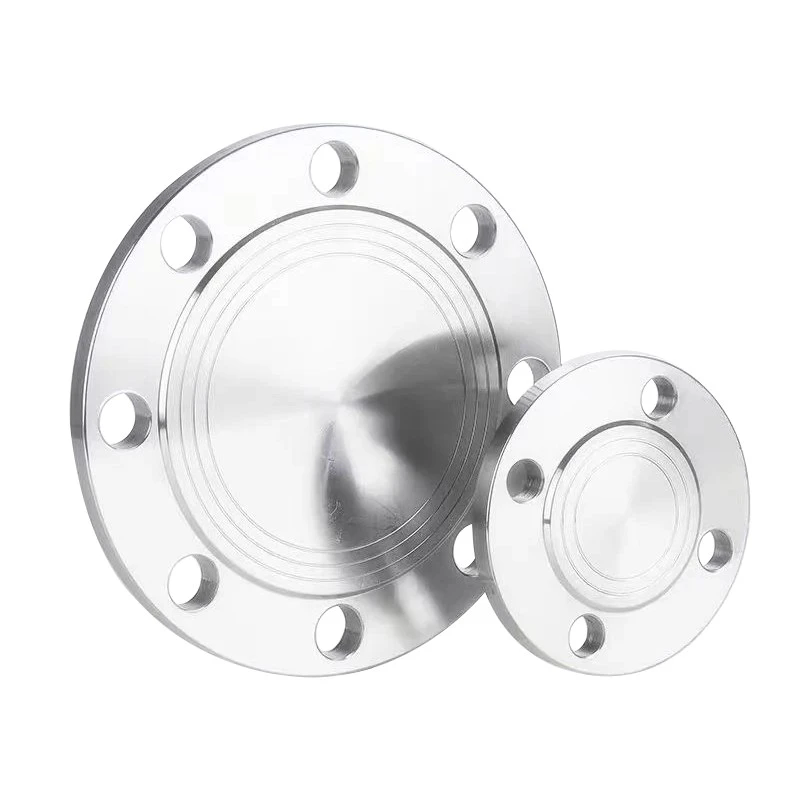
In piping and pressure system engineering, safety and controllability are essential. A blind flange plays a crucial role by providing a secure method to close the end of a pipeline or pressure vessel. Unlike standard flanges that connect pipes together, blind flanges are designed without a center hole, making them ideal for isolating sections of a system for inspection, maintenance, or future expansion.
From oil refineries to chemical plants and water treatment facilities, blind flanges are used to ensure operational safety while maintaining system flexibility. Their ability to withstand high pressure and temperature makes them indispensable in industrial applications.
A blind flange is a solid disk used to block a pipeline or opening. It is bolted onto a matching flange connection, using a gasket to create a tight seal. This prevents fluid or gas leakage and allows safe system isolation.
Unlike caps that are permanently welded, blind flanges offer a removable solution, making them highly practical for systems requiring frequent access.
Blind flanges are manufactured using various materials depending on application requirements:
They are produced according to international standards such as ASME B16.5, ASME B16.47, DIN, and EN specifications to ensure compatibility and safety.
Proper installation is critical to ensure leak-free performance. The flange surface must be clean, aligned, and fitted with a suitable gasket. Bolts should be tightened in a cross pattern to ensure even pressure distribution.
Maintenance best practices include:
Despite their reliability, blind flanges may face operational issues:
Blind flanges are used across multiple industrial sectors:
| Specification | Description |
|---|---|
| Size Range | 1/2 inch to 60 inches |
| Pressure Ratings | 150#, 300#, 600#, 900#, 1500#, 2500# |
| Materials | Carbon Steel, Stainless Steel, Alloy Steel, Duplex Steel |
| Standards | ASME, DIN, EN |
| Surface Treatment | Anti-rust oil, galvanization, epoxy coating |
Q1: What is the main purpose of a blind flange?
A blind flange is used to seal the end of a pipeline or pressure vessel to block flow and enable safe inspection or maintenance.
Q2: Can blind flanges handle high pressure?
Yes, depending on material and class rating, they can handle very high-pressure environments, especially in oil and gas systems.
Q3: Are blind flanges reusable?
Yes, they are designed for repeated installation and removal as long as they are not damaged.
Q4: How do I choose the right blind flange?
Selection depends on pressure rating, temperature, material compatibility, and industry standards.
Blind flanges are essential for safe and efficient pipeline management, offering flexibility, safety, and durability across multiple industries. Selecting the right type and ensuring proper installation can significantly reduce operational risks and maintenance costs.
For high-quality industrial solutions, Zhejiang Shuangneng Steel Industry Co., Ltd. provides precision-engineered blind flanges designed to meet international standards and demanding applications.
If you are looking for reliable piping components or customized flange solutions, contact us today to get professional support and competitive offers tailored to your project needs.
Reference product page: https://www.sn-flange.com/bl-flange