In industrial piping systems, structural connections, and pressure equipment, few components are as critical—and as misunderstood—as the plate flange. Whether you are designing a new pipeline, upgrading an existing system, or sourcing components for heavy-duty industrial use, understanding plate flanges can directly impact safety, performance, and long-term cost efficiency.
This in-depth guide is written to help engineers, procurement managers, contractors, and technical decision-makers clearly understand what a plate flange is, how it works, where it is used, and how to choose the right one for real-world applications. Drawing on practical manufacturing experience and industry standards, this article focuses on solving common customer pain points such as leakage risks, compatibility issues, material selection, and cost control.
As a professional manufacturer, Zhejiang Shuangneng Steel Industry Co., Ltd has supplied plate flanges to clients across energy, chemical, marine, construction, and manufacturing sectors. Throughout this article, you will also gain insight into how reliable manufacturing and quality control can make a measurable difference in your projects.

This article provides a comprehensive explanation of plate flanges, covering their definition, structure, working principles, materials, manufacturing processes, standards, applications, advantages, limitations, and selection guidelines. It also addresses common challenges faced by buyers and engineers, compares plate flanges with other flange types, and answers frequently asked questions. The goal is to equip readers with practical knowledge to make informed, confident decisions when specifying or purchasing plate flanges.
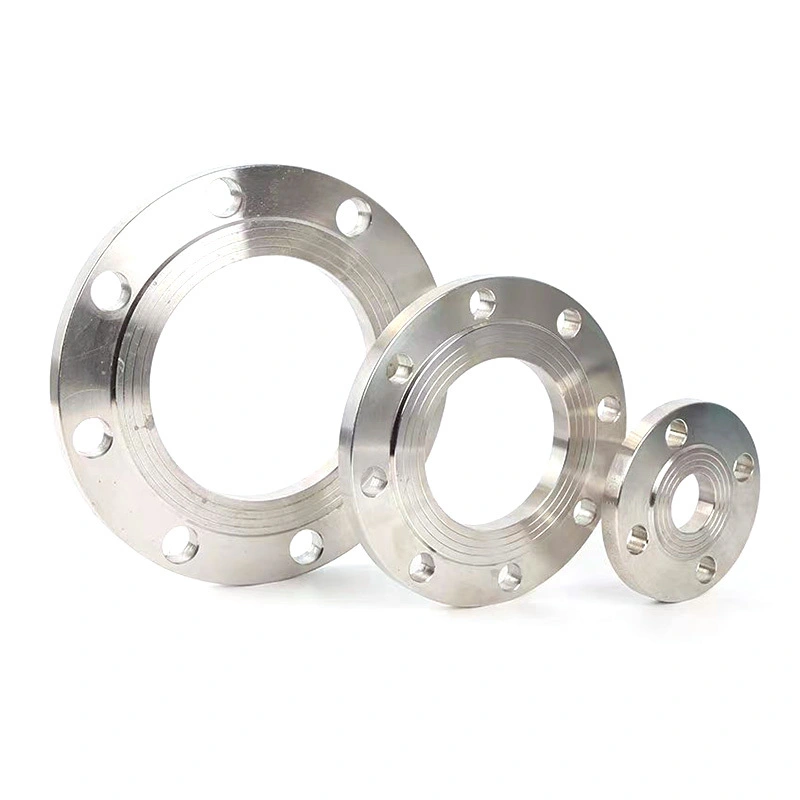
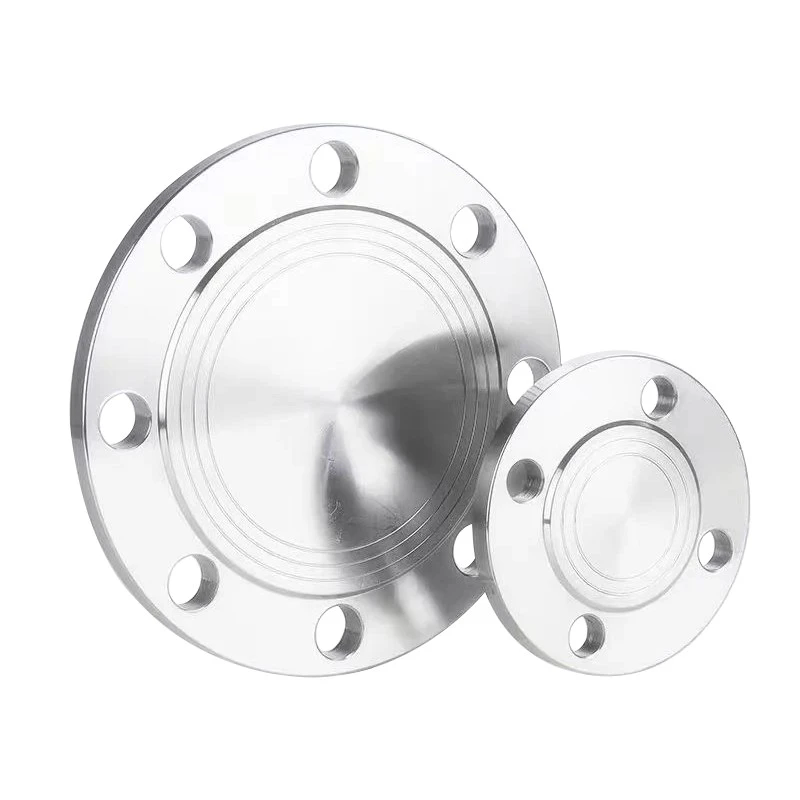
A plate flange is a flat, circular metal component designed to connect pipes, valves, pumps, or other equipment within a piping system. Unlike forged or cast flanges, plate flanges are typically cut or machined from steel plates. This manufacturing method makes them especially suitable for large diameters, customized dimensions, and cost-sensitive projects.
Plate flanges are widely used in low- to medium-pressure applications, but with proper material selection and manufacturing control, they can also perform reliably in demanding industrial environments. For many customers, the appeal lies in their flexibility, availability, and economic efficiency.
At Zhejiang Shuangneng Steel Industry Co., Ltd, plate flanges are produced to meet a wide range of international standards while also supporting custom requirements, which is particularly valuable for complex or non-standard projects.
The primary function of a plate flange is to create a secure, sealed connection between two components in a piping system. This is achieved by aligning two flanges, inserting a gasket between their faces, and tightening bolts through the flange holes.
When properly installed, the compression force generated by the bolts ensures:
Because plate flanges are flat and relatively simple in structure, they rely heavily on accurate machining, correct gasket selection, and precise bolt torque to function effectively.
A typical plate flange consists of the following key elements:
| Component | Description |
|---|---|
| Flange Body | The main circular plate providing structural strength |
| Bore | The central opening that matches the pipe inner diameter |
| Flange Face | The sealing surface that contacts the gasket |
| Bolt Holes | Evenly spaced holes for bolts or studs |
Despite their simple appearance, even small deviations in thickness, flatness, or hole alignment can affect sealing performance. This is why experienced manufacturers like Zhejiang Shuangneng Steel Industry Co., Ltd emphasize precision machining and inspection.
Material selection plays a critical role in the performance and service life of a plate flange. The choice depends on operating pressure, temperature, corrosion exposure, and the type of fluid being transported.
| Material | Key Characteristics | Typical Applications |
|---|---|---|
| Carbon Steel | Good strength, cost-effective | Water, oil, gas pipelines |
| Stainless Steel | Excellent corrosion resistance | Chemical, food, marine systems |
| Alloy Steel | High temperature and pressure resistance | Power plants, refineries |
| Low-Temperature Steel | Maintains toughness at low temperatures | Cryogenic and cold-region pipelines |
Zhejiang Shuangneng Steel Industry Co., Ltd offers a broad material portfolio, ensuring compatibility with international material standards and project-specific requirements.
The manufacturing process of plate flanges directly influences their reliability. A typical process includes:
By maintaining strict process control, Zhejiang Shuangneng Steel Industry Co., Ltd ensures dimensional accuracy, consistent performance, and long-term durability.
Plate flanges are manufactured according to widely recognized standards to ensure interchangeability and safety. Common standards include:
Compliance with these standards ensures that plate flanges fit correctly within global piping systems and meet expected performance criteria.
Plate flanges are used across a wide range of industries due to their versatility:
Their adaptability makes them a preferred solution for both standard and customized systems.
While plate flanges offer many benefits, they also require careful consideration:
Choosing a qualified supplier like Zhejiang Shuangneng Steel Industry Co., Ltd significantly reduces these risks.
| Flange Type | Strength | Cost | Typical Use |
|---|---|---|---|
| Plate Flange | Medium | Low | General industrial piping |
| Weld Neck Flange | High | High | High-pressure systems |
| Slip-On Flange | Medium | Medium | Low-pressure applications |
When selecting a plate flange, consider the following factors:
Technical support from experienced manufacturers such as Zhejiang Shuangneng Steel Industry Co., Ltd can help ensure optimal selection.
Quality assurance typically includes:
These steps ensure that each plate flange performs as expected in service.
Customers often face issues such as leakage, misalignment, or premature corrosion. These problems are usually linked to improper material selection or poor manufacturing quality. Partnering with a reliable supplier like Zhejiang Shuangneng Steel Industry Co., Ltd helps address these challenges through engineering support and consistent quality.
Q: Are plate flanges suitable for high-pressure applications?
A: Plate flanges are typically used in low to medium pressure systems, but with appropriate material and thickness, they can be adapted for higher pressures.
Q: Can plate flanges be customized?
A: Yes, customization is one of their main advantages, especially when produced by experienced manufacturers.
Q: How do I ensure leak-free performance?
A: Proper machining, correct gasket selection, and accurate bolt torque are essential.
Plate flanges play a vital role in modern piping and industrial systems. Their versatility, cost efficiency, and adaptability make them an excellent choice for many applications when properly designed and manufactured.
If you are looking for reliable, high-quality plate flanges backed by professional support, Zhejiang Shuangneng Steel Industry Co., Ltd is ready to assist you. Whether your project requires standard products or fully customized solutions, our team is here to help—contact us today to discuss your requirements and move your project forward with confidence.