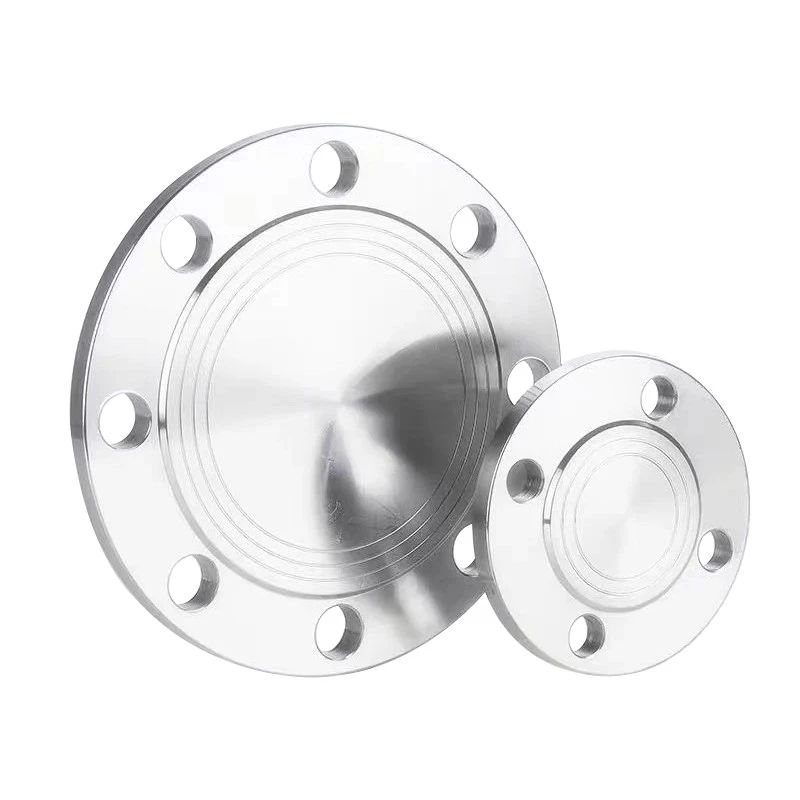
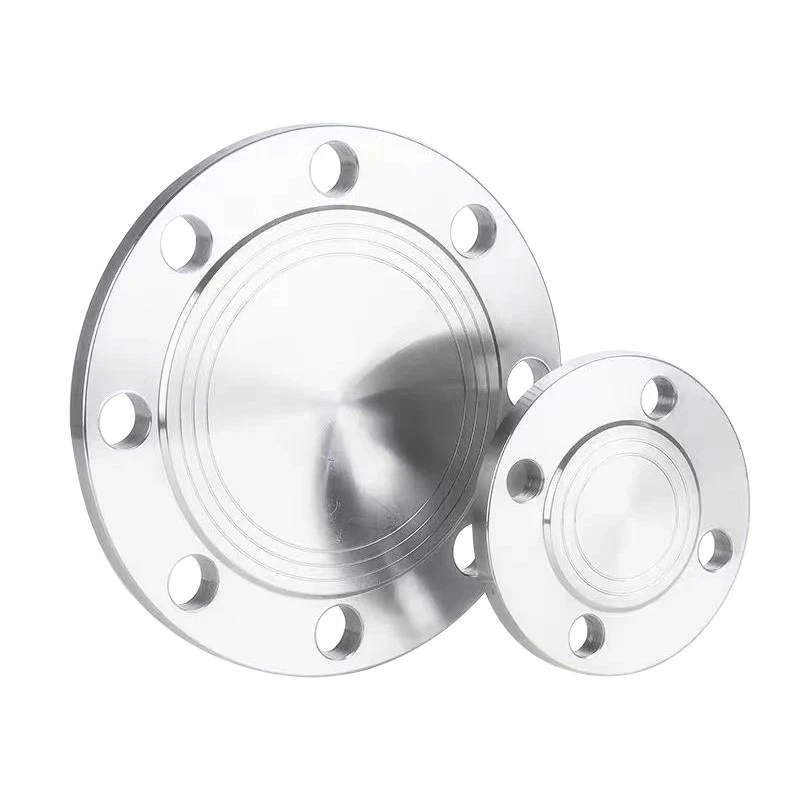
Choosing the right Blind Flange requires more than matching its nominal size. ASME B16.5, ASME B16.47, and EN 1092-1 define different dimensional systems, pressure designations, bolt patterns, and marking requirements. In this article, we explain how these standards affect flange selection, material compatibility, sealing faces, and pipeline installation, drawing on our stainless steel flange manufacturing experience at SN Valve.
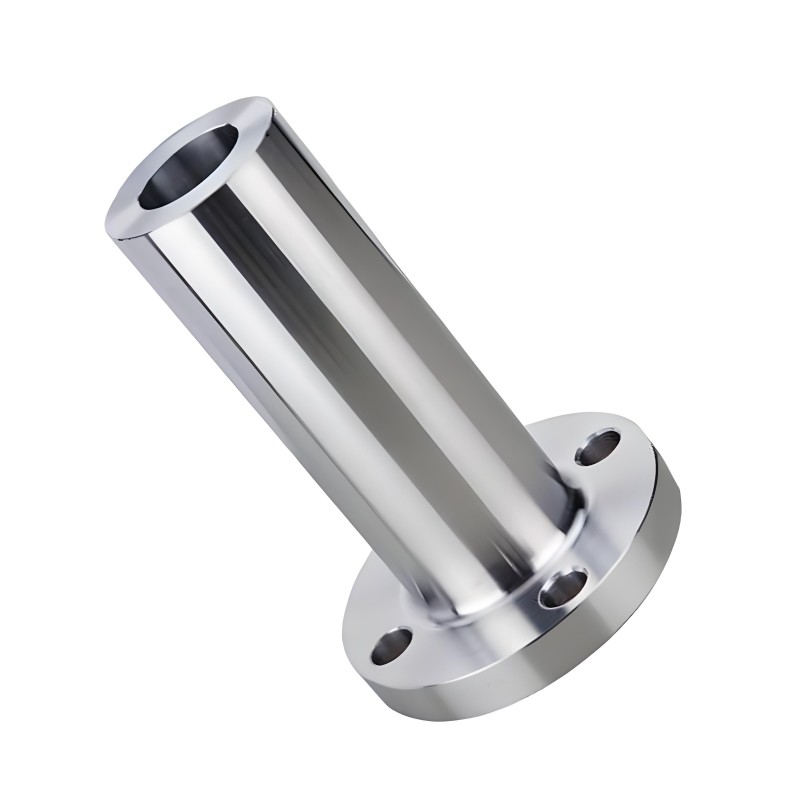
High-pressure vessel nozzle connections demand a joining method that minimizes weld seams, reduces inspection complexity, and maintains structural integrity under cyclic loading. The long weld neck flange addresses these demands through an extended tapered hub that integrates directly with the vessel shell. This analysis examines the geometric rationale, material selection criteria, dimensional standards, and installation practices that position this component as a technically superior solution for critical service conditions.
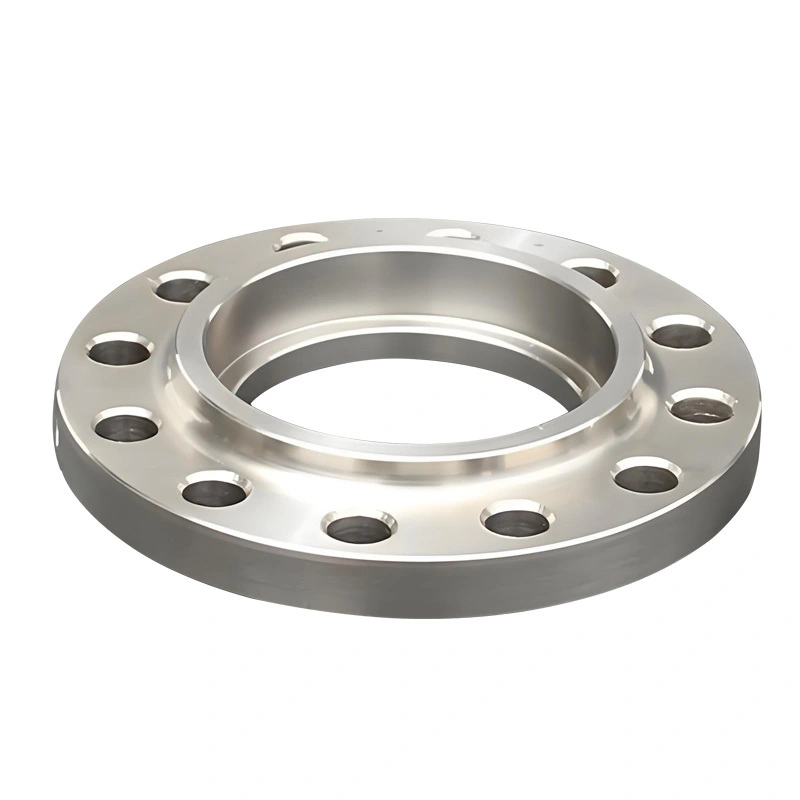
stainless steel floor flange stands out as a universal connection component designed to anchor vertical tubular structures firmly onto concrete, metal or timber floor substrates. This detailed technical guide covers material grading standards, diversified structural shapes, standardized installation workflows, cross-industry application boundaries and long-term surface maintenance strategies for this floor-mounted fitting. All analysis focuses on structural reliability and environmental adaptability without touching commercial profit metrics, offering practical reference for architectural installers, pipeline engineers and industrial facility planners. Readers will learn how different stainless steel grades perform under distinct corrosive conditions, the correct fastening sequences to avoid base loosening, and key differences between round, square and threaded floor flange variants for various construction and manufacturing projects.
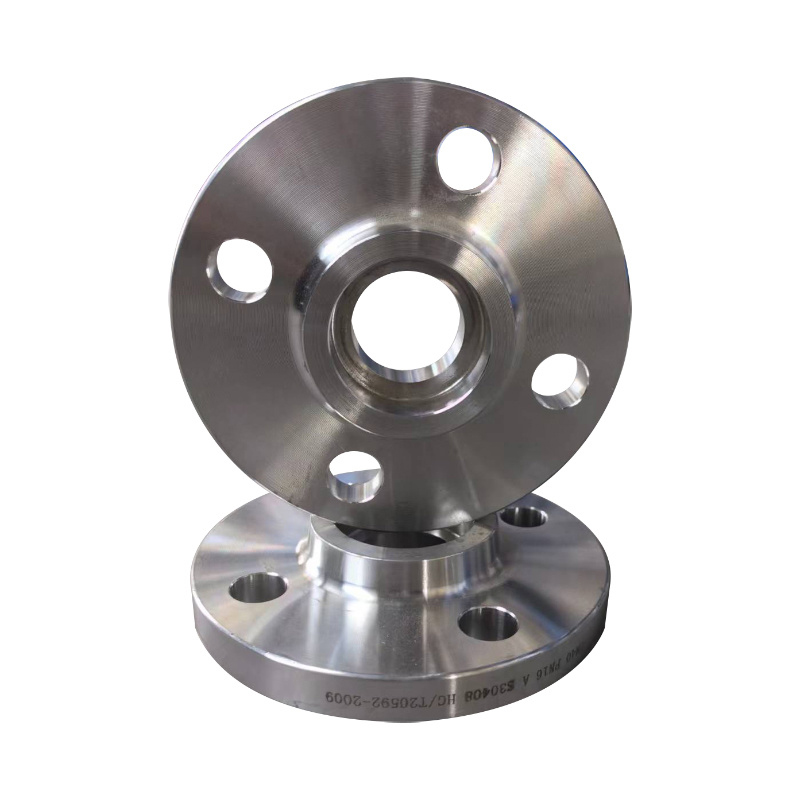
Socket Weld FLANGE is a critical component in high-pressure piping systems, widely used in industries such as petrochemical, power generation, shipbuilding, and hydraulic engineering. This article explains its working principle, structural characteristics, advantages, installation methods, and real-world applications. It also addresses common customer concerns such as leakage risks, welding complexity, and selection criteria to help engineers and procurement specialists make informed decisions.
Blind flanges are critical components in modern piping systems, widely used to seal the ends of pipelines, valves, and pressure vessel openings. This article provides a comprehensive guide to understanding blind flanges, their structure, applications, advantages, and maintenance practices. It is designed to help engineers, procurement managers, and maintenance teams make informed decisions, reduce operational risks, and improve system reliability in industrial environments.
In industrial piping systems where reliability and pressure resistance are critical, choosing the correct flange type directly affects system safety and operational efficiency. Among the many flange types available, the Socket Weld FLANGE is widely recognized for its strong structural performance in small-diameter, high-pressure pipelines.
We use cookies to offer you a better browsing experience, analyze site traffic and personalize content. By using this site, you agree to our use of cookies. Privacy Policy


 2026-11-16
 2026-09-30
 2026-08-07
 2026-05-18
 2026-04-10
 2026-03-11